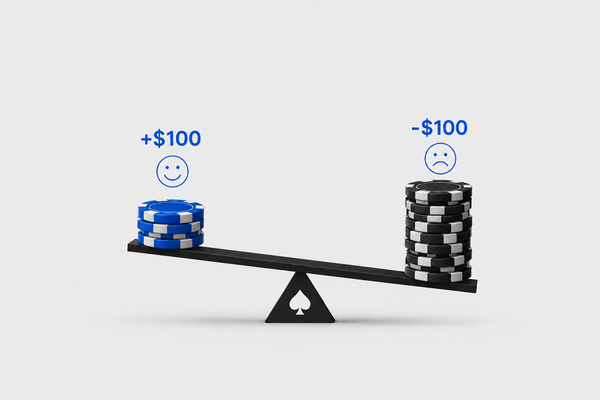
Awareness Loss Aversion: The Mental Leak You Don't Realize You're Making Even if you win those chips back and get back to even, the emotional impact of the original loss doesn't simply disappear. Financially, you may be right back where you started. Mentally, you may still be carrying the frustration, fear, or urgency that loss created.
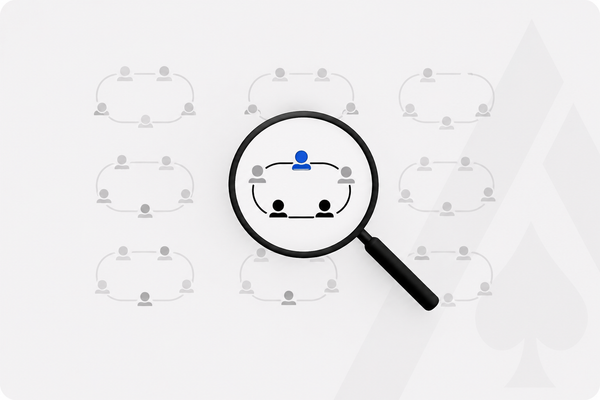
Exploitation Game Selection: Your Edge Starts Before You Play a Hand For live $1/$3 and $2/$5 players, game selection matters more than I think most players realize. You can spend months improving your game, but if you’re consistently sitting at tables where your edge is small, you’re making poker harder on yourself than it needs to be.
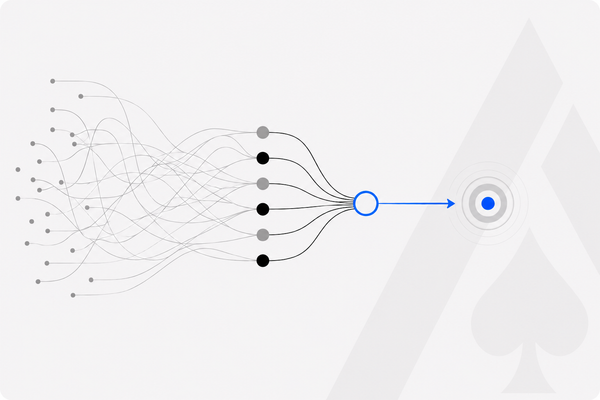
Exploitation Does GTO Really Matter at Low Stakes? Should low-stakes players spend time studying GTO? Absolutely—but probably not for the reason you think. Learn how GTO provides a foundation for better decision-making while real profit comes from exploiting the mistakes your opponents make.
eXecution Pre-Flop vs. Post-Flop: You're Asking the Wrong Question I've never looked at pre-flop as simply choosing what hands to play. I've always thought of it as deciding what kind of situation I'm creating for myself over the next three streets.
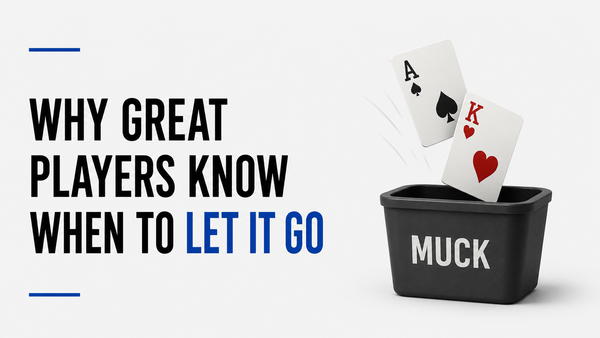
eXecution Why Great Players Know When to Let It Go In live poker, the chips you don't lose are just as valuable as the chips you win.
Awareness The Most Expensive Habit at the Poker Table Most players think checking their phone between hands is harmless. In reality, it may be one of the biggest leaks in live poker. Learn why attention is an edge, how smartphones impact your decision-making, and what your opponents' phone habits can reveal about the strength of their range.
Awareness Poker Teaches More Than Poker The cards matter, but what keeps players coming back year after year is everything happening underneath the surface. No matter what stakes you play, poker is constantly testing your ability to think, adapt, manage emotions, and make decisions under pressure.
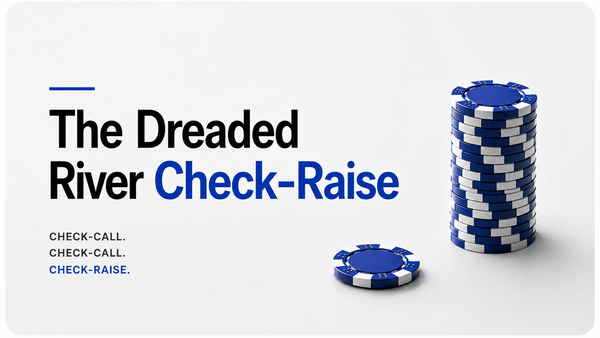
Awareness The Dreaded River Check-Raise Most recreational players aren't running elaborate river bluffs. They aren't spending three streets setting up a sophisticated check-raise bluff because they think your range is capped.
Patience Balancing Poker and Life: How to Build a Game That Lasts The goal is to build a poker life that can coexist with everything else that's important to you rather than constantly competing with it.
Awareness Featured Why Following Poker Influencers Can Hurt Your Game One of the biggest mistakes recreational players make is confusing a good result with a good decision.
Exploitation TAG Gets You Started - Adaptability Gets You Paid Playing tight-aggressive will keep you out of trouble, but it won’t maximize your profit on its own. The real edge in live poker comes from adjusting to the players at your table and exploiting the mistakes they make.
Awareness Featured Downswings: Why They Happen and How Strong Players Handle Them Downswings are part of poker, but how you respond to them is what separates winning players from everyone else.
Awareness Featured Poker Is a Battle: You Don’t Win Every One Poker isn’t about winning every session, it’s about staying level-headed and making good decisions no matter how the game is going.
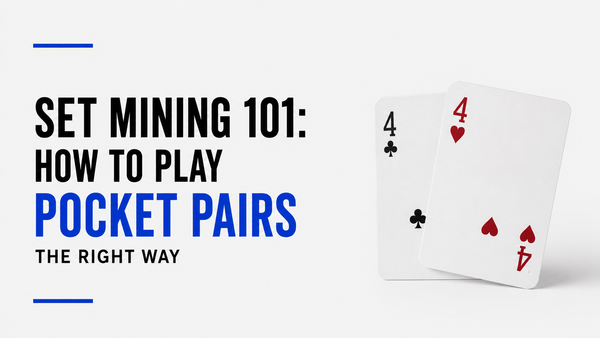
Exploitation Set Mining 101: How to Play Pocket Pairs the Right Way The biggest mistake is treating a small pocket pair like a hand that wants to see every flop. It doesn’t and it’s not supposed to.
Patience Poker is Supposed to be Boring Winning at $1/$3 and $2/$5 isn’t about constant action, it’s about waiting for the right spots and playing a strategic game against the players at your table.
eXecution Why You Keep Missing Thin Value (And It’s Costing You) Most players miss value by checking hands that are actually ahead. Learn how to spot thin value opportunities and get paid in spots others overlook.
Exploitation Featured What Story Are You Telling At The Table? Poker isn’t just about the cards you hold, it’s about the story you tell with every action at the table. Learn how to recognize predictable patterns, control your own narrative, and exploit players who don’t even realize what they’re revealing.
Awareness Tilt is Just an Emotion “We are not disturbed by what happens to us, but by our thoughts about what happens to us.” – Epictetus
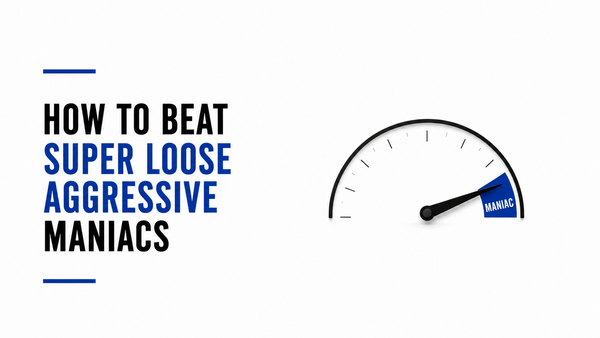
Exploitation How to Beat Super Loose Aggressive Maniacs Against someone who is willing to put money in with almost anything, you do not need to get fancy. The better adjustment is to tighten up your starting range and wait for hands that can comfortably play big pots.
Patience 5 Simple Tips to Improve Your Win Rate in Live $1/3 Cash Games You don’t need advanced strategies to beat $1/$3. Most of the edge comes from doing the simple things consistently well.
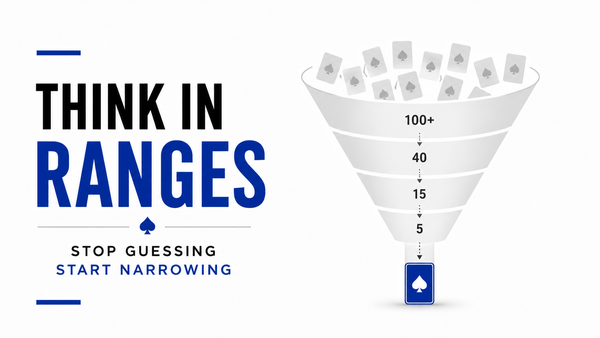
Awareness Ranges: What They Are and How to Think About Them A player’s range is just the collection of hands they could realistically have in a situation.
eXecution eXecution: The final pillar of the APEX framework A lot of players recognize the right play in a hand. They see the situation clearly. But when it’s time to act, they freeze up. And that hesitation costs them money.
Exploitation Exploitation: The third pillar of the APEX Framework It’s not about always betting or always being aggressive. It’s about understanding how someone plays and putting yourself in the spot where their mistake costs them the most chips.
Patience Patience: The second pillar of the APEX Framework Patience Creates Opportunities. At these stakes, you don’t need to force the action.
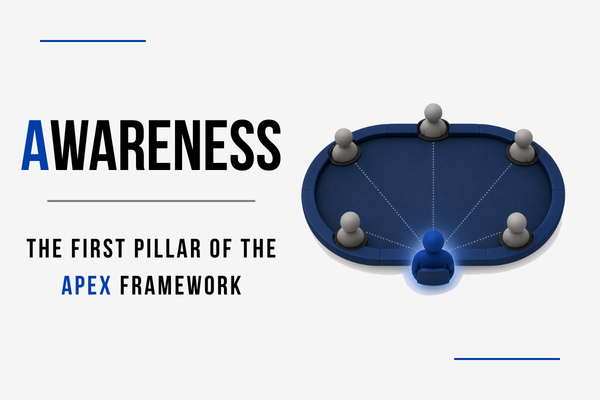
Awareness Awareness: The first pillar of the APEX framework Awareness starts before you even play a hand. The first 30-60 minutes at a new table is incredibly valuable if you pay attention.